
Data Management Tools · Carbon Tracking and Management System
Scope 1·2·3 carbon management, from collection to reduction targets in one system
Collect GHG data automatically from headquarters, subsidiaries, and suppliers. Emissions are calculated on emission factors, with reduction targets and KPI tracking managed in the same system.
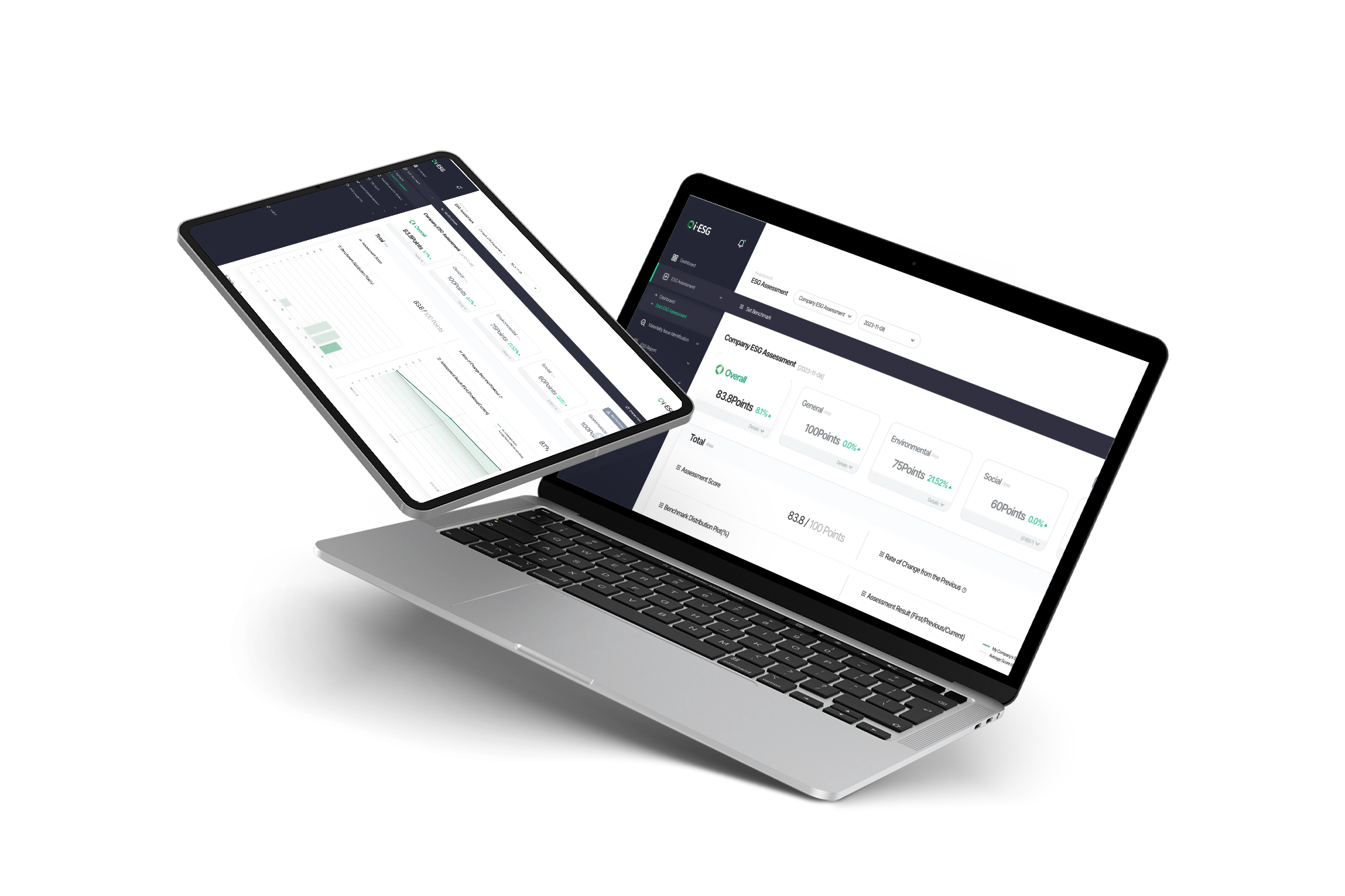
Solution intro
Carbon Tracking and Management System automates the full carbon workflow, from boundary setup to emissions calculation and reduction management.
A built-in library of recognized emission factors calculates emissions from your activity data automatically. Scope 3 coverage extends to supplier data, and KPI-based reduction tracking runs on the same screen.
SCOPE 1
SCOPE 2
SCOPE 3
Common challenges in GHG management
“Collecting across organizational boundaries is unrealistic”
Owners and formats differ across headquarters, subsidiaries, and suppliers. Consolidation alone takes months.
“Emission factors are hard to apply”
Selecting the right factor is difficult, and manual spreadsheet math keeps producing errors.
“Scope 3 needs supplier data we cannot reach”
There is no system for collecting activity data from organizations outside the company.
“Customers demand verified emissions figures”
Manual calculation cannot deliver trustworthy numbers on deadline.
Key features
From inventory setup to reduction KPIs, a 5-step process
Presented in the order carbon work actually runs.
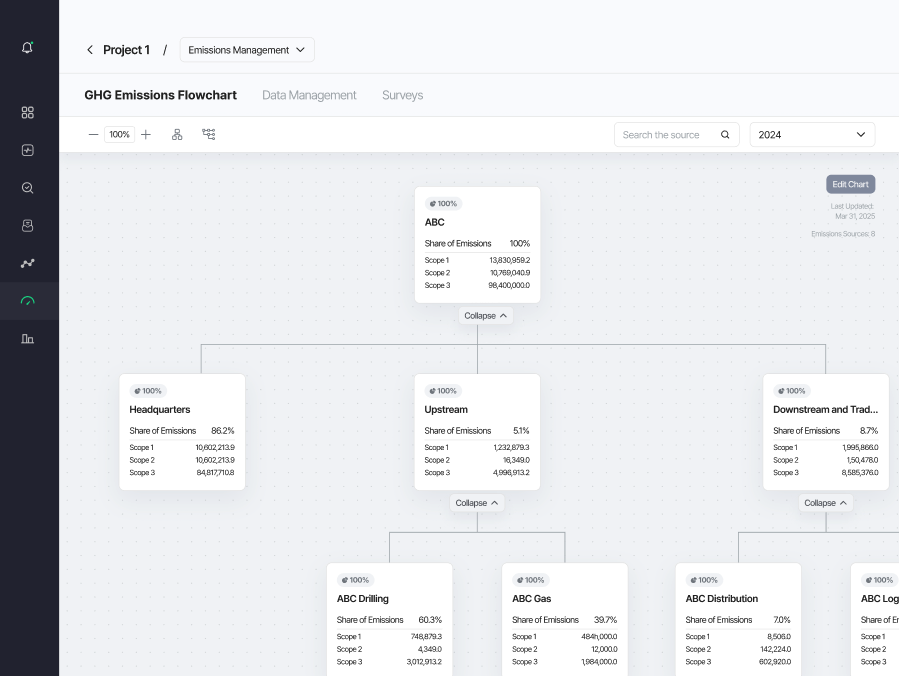
Your organizational boundary, mirrored in the system
Register boundaries and emission sources across headquarters, subsidiaries, and suppliers. The inventory separates Scope 1·2·3, making the measurement perimeter explicit from the start.
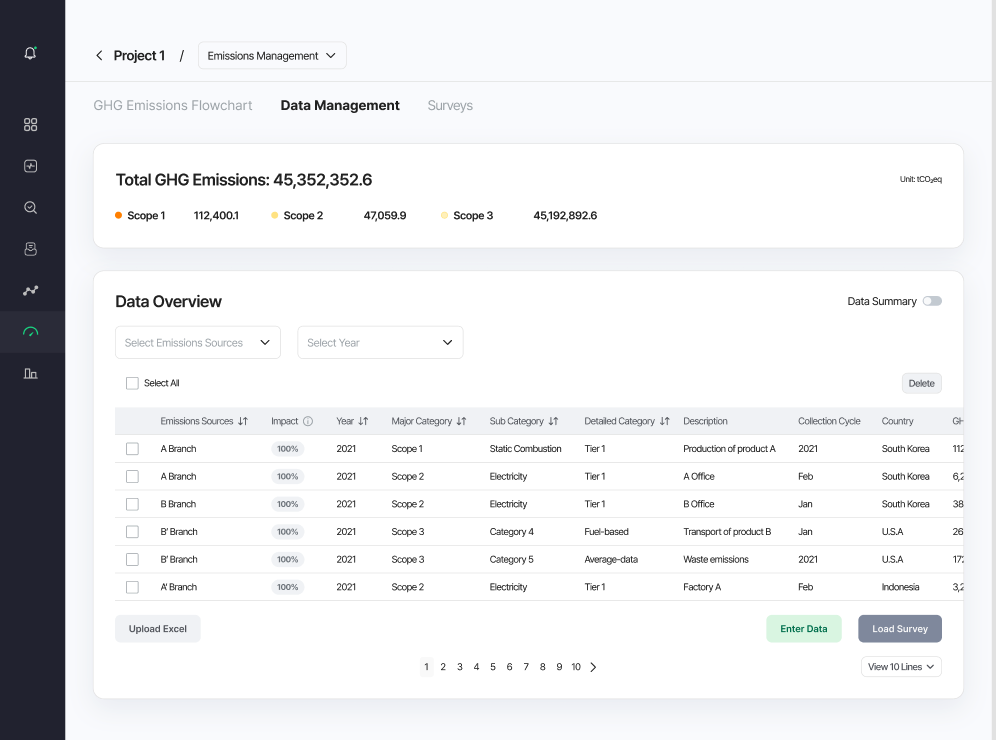
Factor selection to calculation, handled by the system
Domestic and global emission factors are built in. Enter activity data and tCO2eq emissions calculate automatically, removing manual spreadsheet errors.
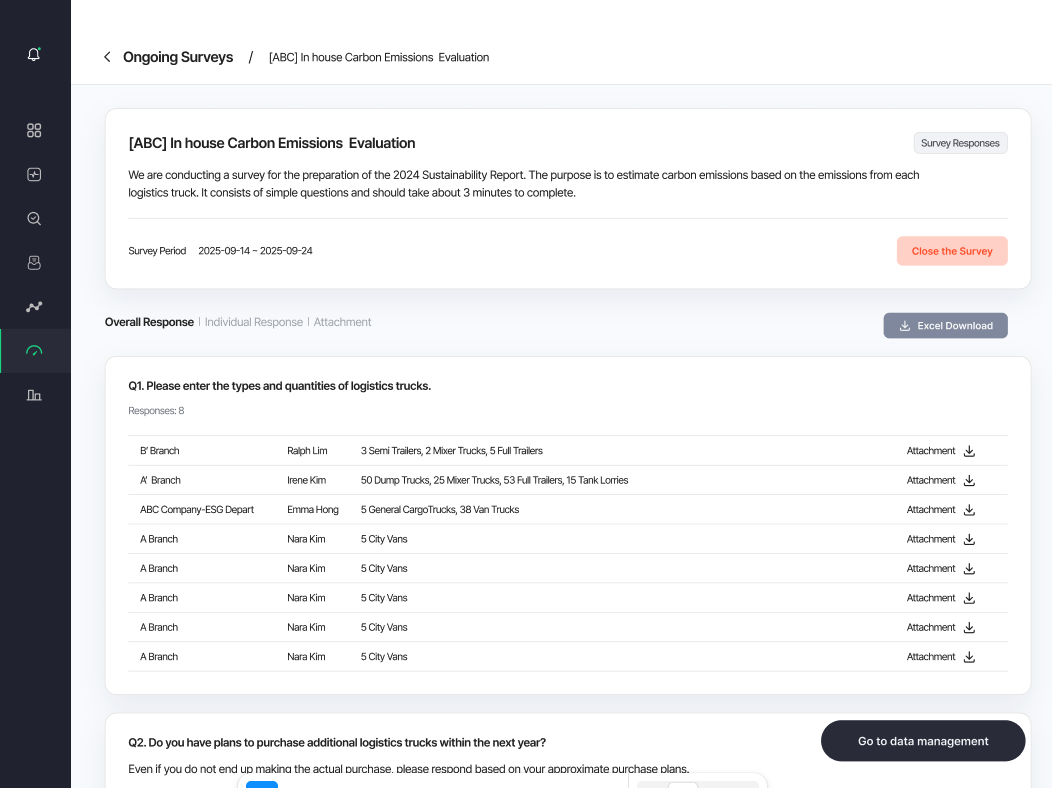
Scope 3 collection, suppliers included
Send template-based data requests to dozens or hundreds of related organizations and track their status. Suppliers only enter data in a dedicated workspace.
Data that stands up to external verification
Collected data is validated against supporting documents and confirmed through approvals. Quality review for assurance and certification is built into the process.
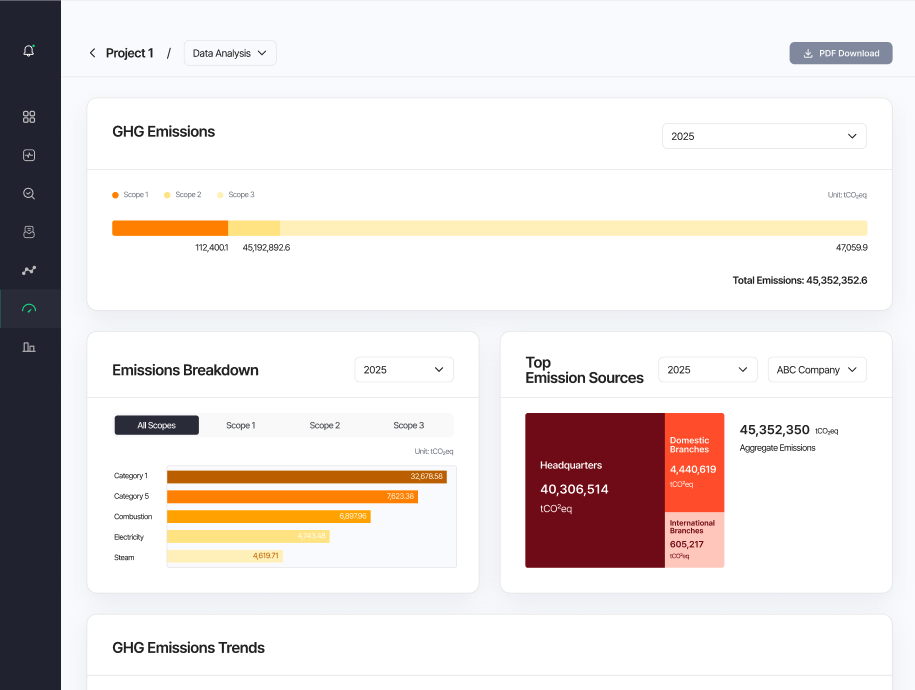
From measurement to reduction management
Analyze trends by year, site, and scope. AI identifies major emission sources and reduction potential. Set targets and KPI attainment calculates automatically against actuals.
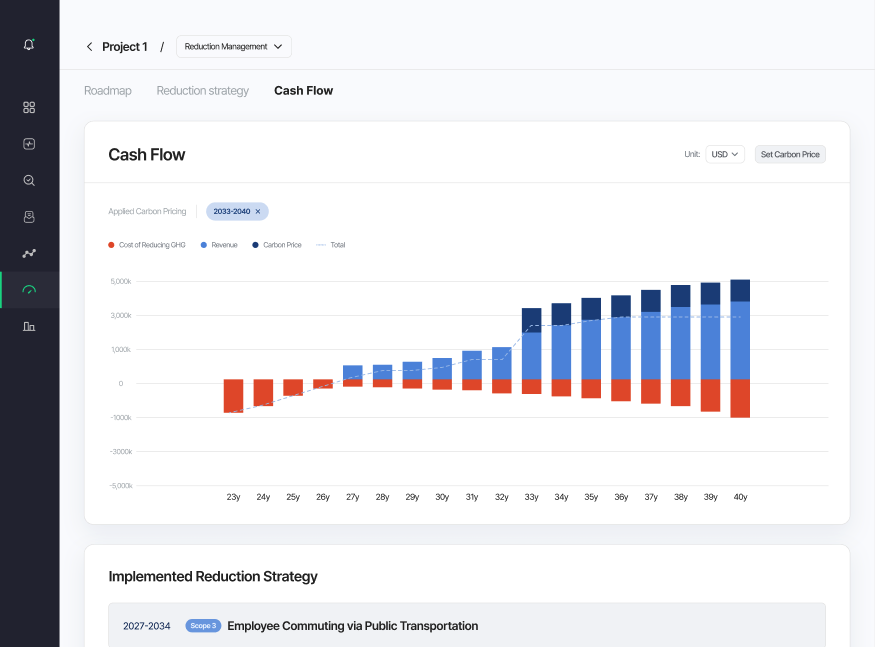
Outcomes
Faster calculation and higher accuracy, together
80
%
less time and labor on carbon accounting
99.5
%
data accuracy
11wk→3wk
shorter reporting cycle
Customer case
87
%
supplier participation in Scope 3
Customer case
Calculation aligned with the GHG Protocol and CSRD
SBTi reduction planning support (implementation case: plan built within 90 days)
Data quality ready for external verification
Trust
Why trust i-ESG
Deployed across 12 manufacturing sites in 8 countries
Emissions reporting went from a quarterly burden to a real-time management tool. We see every site at a glance and deliver verified numbers to customers on time. Automated supplier collection alone saved months of manual work.
500+
global clients
13+
ESG-related patents
Before your next reporting cycle, see automated calculation in a demo.
Share your current calculation spreadsheet and we will shape the demo around it.
FAQ
Questions we hear most often during evaluation
Which emission factors are used?
The system ships with recognized protocol-based factors, including IPCC, and applies the appropriate factor during calculation.
Does it cover Scope 3?
Yes. A dedicated supplier workspace collects activity data from external organizations for Scope 3 calculation.
Can it support external verification?
Built-in evidence-based validation and approval steps strengthen readiness for verification standards.
Can we manage reduction targets?
Set targets and KPIs, and attainment calculates automatically with roadmap-chart tracking.